



Scientific Conference
Each presentation will be carefully evaluated and selected by the Scientific Committee in coordination with the European Commission Joint Research Centre.

Parallel Events
Get adeep insight into specific topics along the most recent PV technology, PV application and market trends and address global decision makers from industry, research, financing and politics.

Exhibition
The exhibition stands are a must-visit for companies working in R&D, that depend on jumping on the wave of new trends as they are discovered.
...and much more
The EU PVSEC consists of different elements that complement each other to cover the whole spectrum PV has to offer.


-
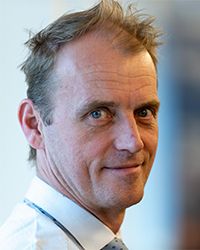
"The biggest issue we face right now is convincing the rest of the world that we in this (PV) community have the answers and they need to move on and do it!"
― Robert Kenny
-
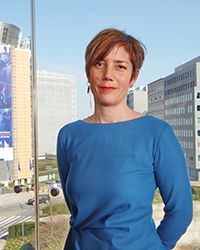
"We need to go much faster in terms of not only deploying solar but also having a sizeable European industry."
― Walburga Hemetsberger
-
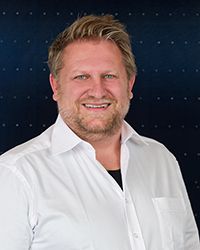
"Rebuilding PV production in Europe is not only based on one technology but we need them all and we have to do it together."
― Radovan Kopecek
-
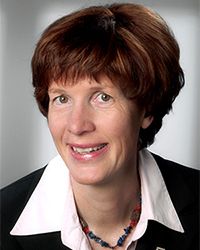
"Our goal for 2030 should be having at least 6 Terawatt installed and for this we have to make sure we have the resources to implement this PV production."
― Ulrike Jahn
-
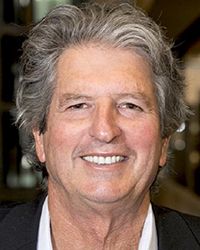
"I think we will get to the next Terawatt in three years and in reaching that projection, polysilicon supply will be the most important supply issue."
― Martin Green
-
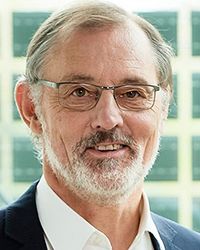
"To make Terawatt happen, we need specifically for Europe financing to support manufacturing and speed is essential. We need to build and hurry."
― Andreas Bett
-
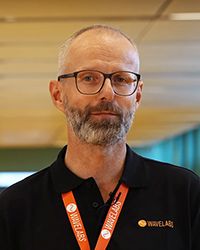
"We can keep how friendly and cooperative we are in the solar industry for the future because that will help us attract new talent and we can be a good example for other industries."
― TORSTEN BRAMMER


Gold Sponsors


Silver Sponsors


